Fermenting vs Canning: Which Preservation Method Should You Actually Start With?
Quick Answer: Canning uses heat to kill microorganisms and seal food in an airtight environment; fermenting uses beneficial bacteria to actively transform and preserve food through acidity they produce. Fermenting has a lower equipment barrier and gentler failure modes for beginners; canning (especially low-acid canning) has stricter safety rules that must be followed exactly.
Both show up on the same ‘preserve your harvest’ Pinterest boards, but they’re fundamentally different processes with very different beginner learning curves and risk profiles.
How is fermenting actually different from canning?
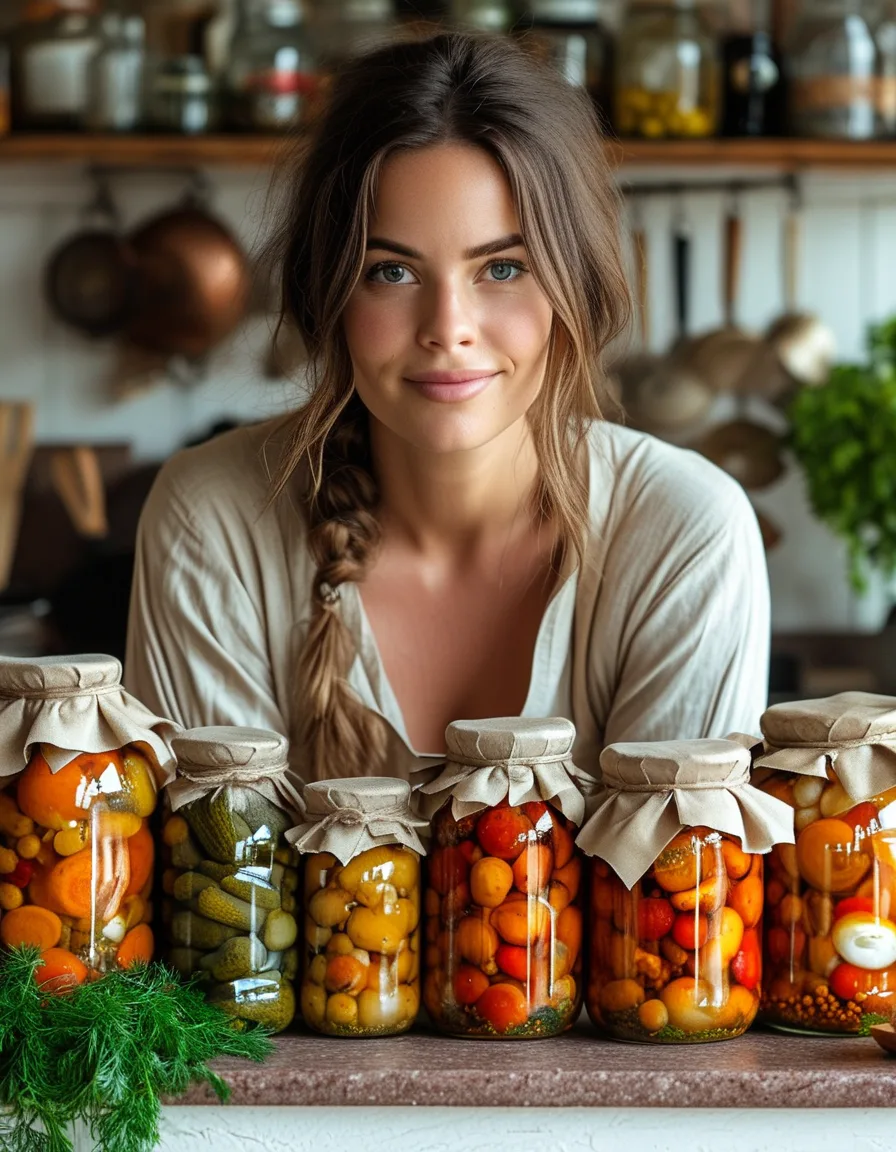
Fermenting relies on naturally occurring or added beneficial bacteria (like lactobacillus) to convert sugars into acids, which then preserve the food — think sauerkraut, kimchi, or pickles made without vinegar. It’s a living, active process that continues developing flavor over days or weeks.
Canning uses heat processing (boiling water bath for high-acid foods, pressure canning for low-acid foods) to kill microorganisms outright and create a vacuum seal that keeps the food shelf-stable and inert — no ongoing biological activity.
Which one is actually safer for a beginner to start with?
Fermenting has gentler failure modes. A failed ferment usually looks and smells obviously wrong (mold, off odors) before it becomes dangerous, giving clear visual warning signs.
Canning’s risk is less forgiving, especially for low-acid foods (most vegetables, meats): improperly processed low-acid canned goods can harbor botulism without any visible or smell warning at all. This is exactly why low-acid canning requires a pressure canner and precise, tested recipes — no improvising on time or pressure.
The Danger of a ‘Sealed Jar Is Safe’ Assumption
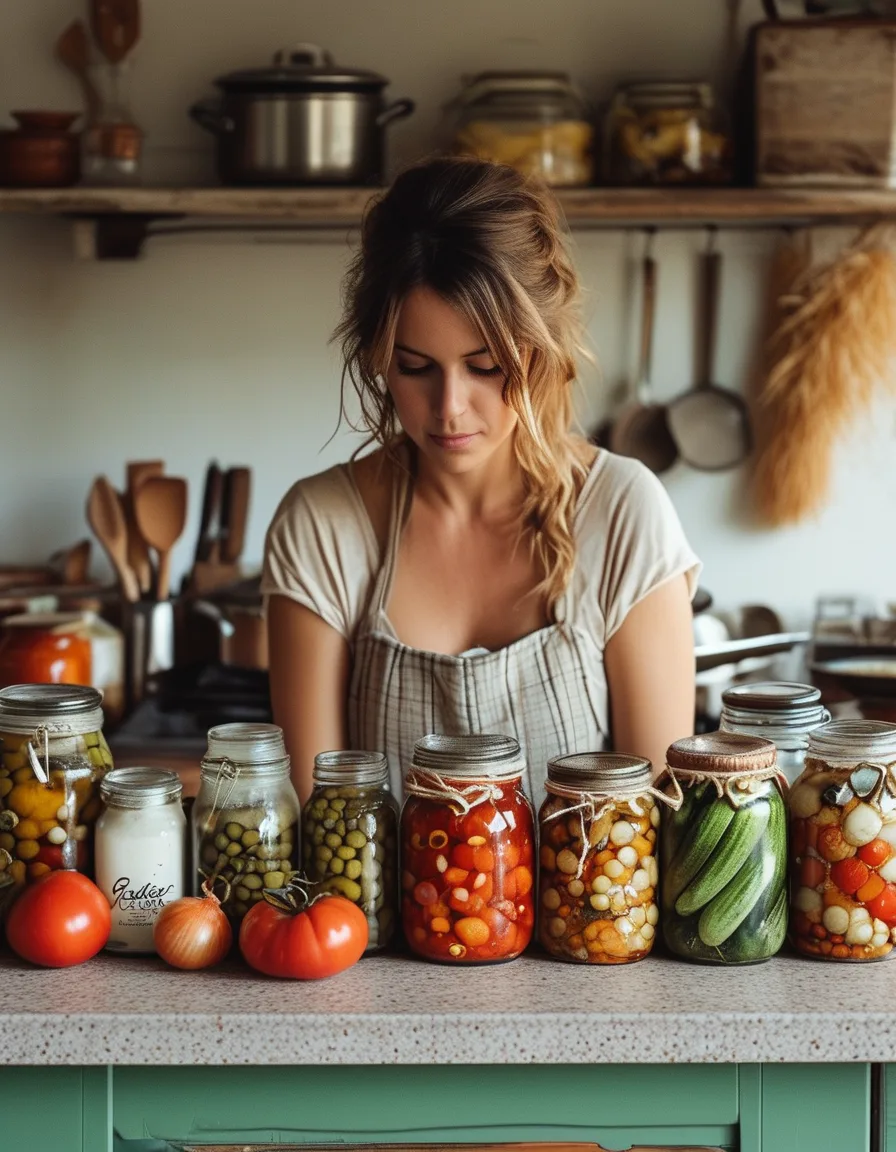
Here’s the mistake that catches new canners: a jar sealing properly (the lid popping down) confirms an airtight seal, not that the contents were processed safely. A jar can seal perfectly while still containing dangerous bacteria if the processing time, method, or acidity was wrong for that specific food.
This is why safe canning means following tested recipes exactly — from a source like the USDA or a current canning guide — never improvising ingredient ratios or processing times, even for jars that seal just fine.
FAQ: Fermenting and Canning Questions, Answered
Do I need special equipment to start fermenting?
A jar, salt, and vegetables is genuinely enough to start basic vegetable fermentation — no pressure canner or specialized gear required, which is part of why it’s a gentler entry point.
Is a water bath canner the same as a pressure canner?
No — water bath canners work only for high-acid foods (most fruits, pickles with vinegar); low-acid foods (vegetables, meat) require a pressure canner to reach safe temperatures. Using the wrong method for low-acid food is a genuine safety risk.
Can I ferment and then can the same food?
Some recipes do combine them (fermented pickles that are later canned for shelf stability), but this changes the safety profile — follow a specific tested recipe rather than combining methods on your own.
TL;DR:
- Fermenting uses bacteria to build acidity; canning uses heat to kill microorganisms and seal
- Fermenting has more forgiving, visible failure signs — a gentler beginner entry point
- Low-acid canning needs a pressure canner and exact tested recipes — no improvising
- A properly sealed jar does NOT guarantee safe processing — the recipe and method matter just as much
If you’re brand new to preserving, start with a simple fermented vegetable before attempting low-acid canning.
Keep Reading
This article is for general informational purposes only and is not medical advice. Always consult a qualified health professional for guidance specific to you.