Fine or Spoiled? How to Read a Ferment That Looks Alarming
Quick Answer: Cloudy brine, bubbles, sour smell, and a flat white film are all normal. Fuzzy growth in any color, pink or black patches, a slimy or ropy brine, or a smell that is putrid rather than sour mean discard the batch. When it is genuinely ambiguous, throw it out — a jar of cabbage is not worth the gamble.
The brine went cloudy on day three and something white is sitting on the surface.
Half the internet says that is normal and the other half says throw it out, and neither one is looking at your jar.
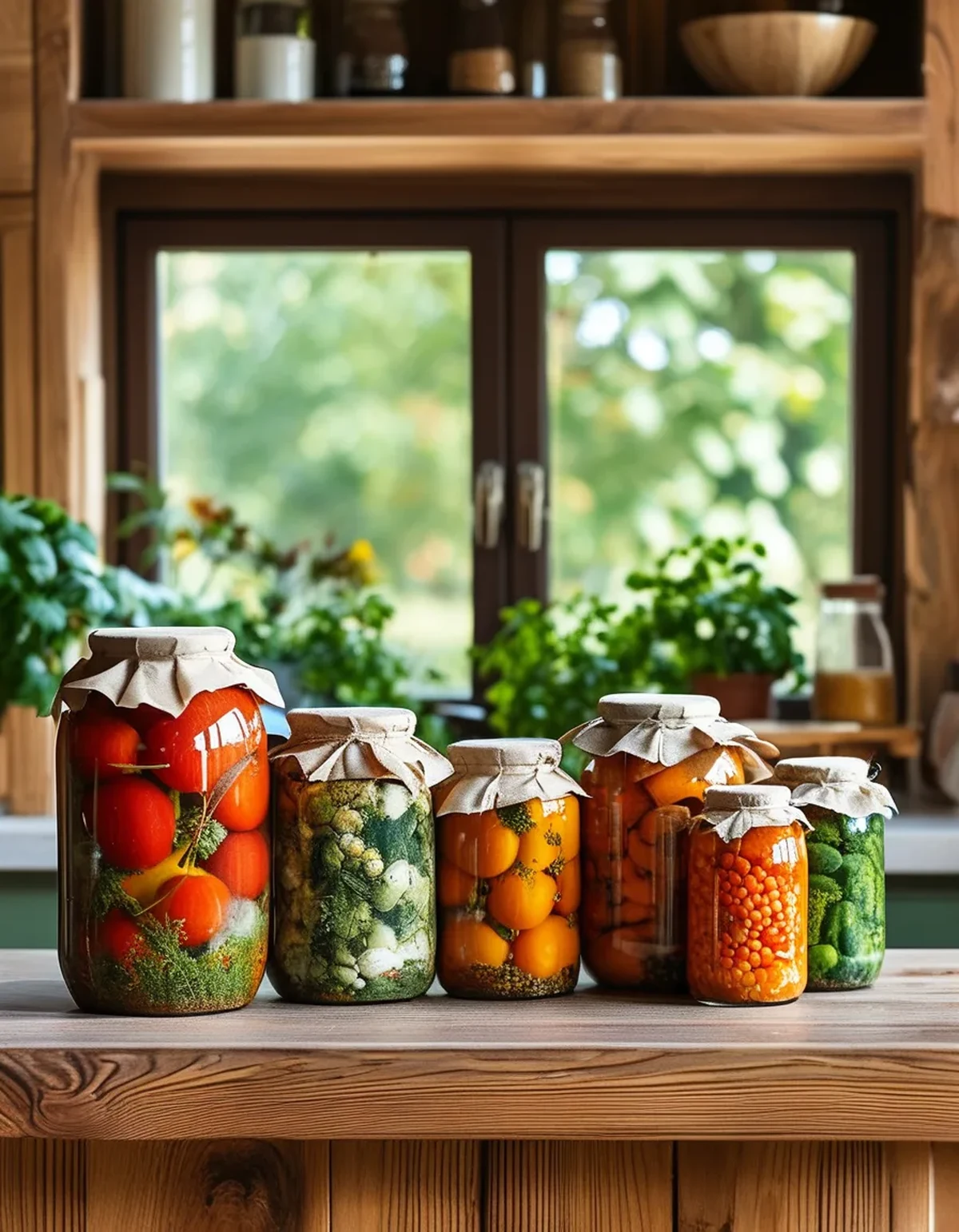
What does a healthy ferment actually look like?
Active, ugly, and strongly smelling — those are the signs it is working.
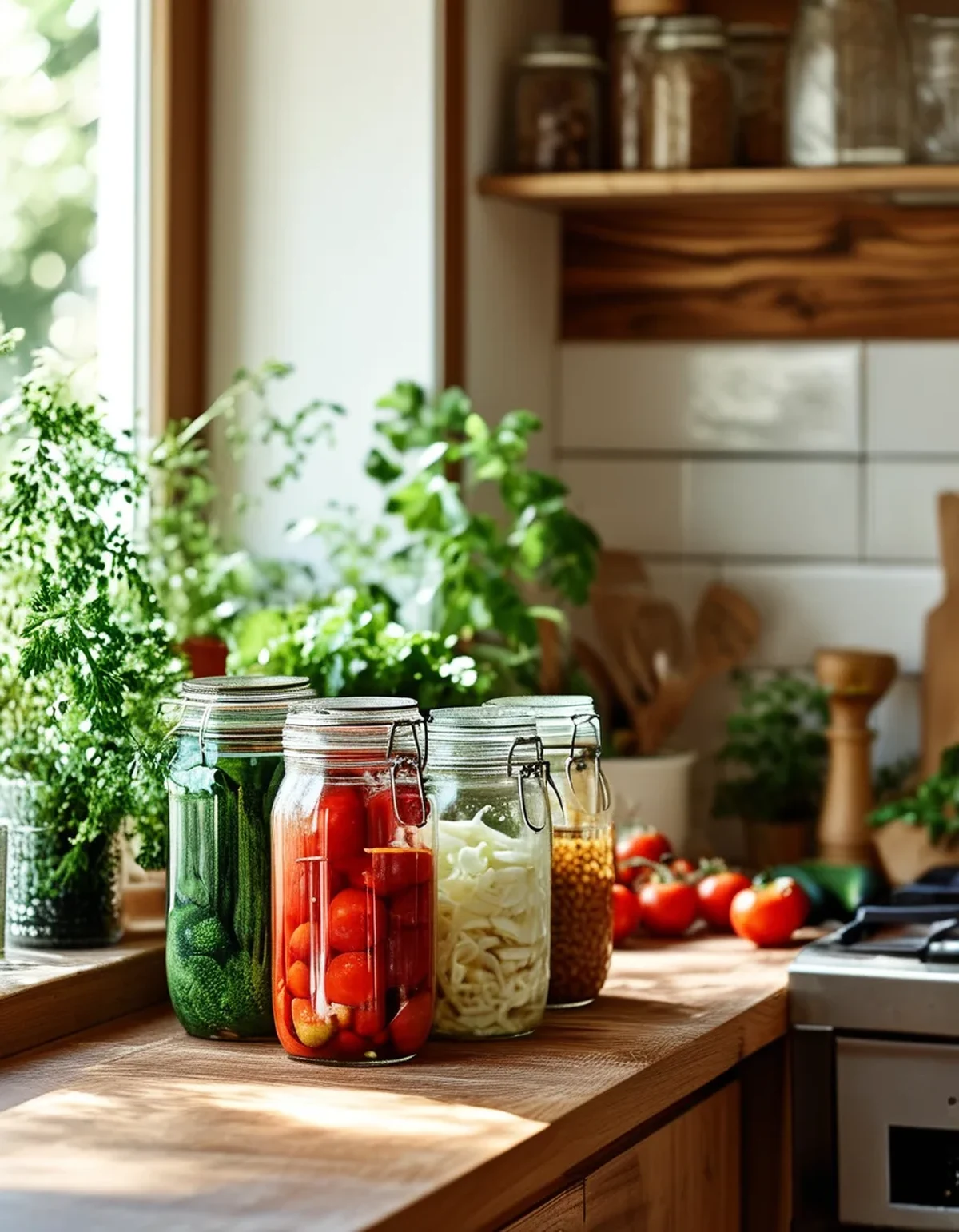
Cloudy brine is expected and good. The cloudiness is lactic acid bacteria multiplying, which is the entire process. A perfectly clear brine after four days at room temperature more often means nothing is happening than that everything is clean.
Bubbles peak around day 3 to 5 and then slow. Vigorous fizzing early is normal, especially in warm weather. When it stops, that usually means the sugars are consumed and the pH has dropped, not that it died.
The smell should be sour, sharp, and food-like. Think sauerkraut, pickles, sourdough. Strong is fine; unpleasant in a sour direction is fine. What matters is whether it smells like fermentation or like decomposition, and your nose is reliable at that distinction.
Color dulls and softens. Bright green beans go olive, red cabbage goes magenta then pink. Loss of vividness is a chemical response to acid, not spoilage.
Vegetables soften somewhat. Some texture loss is normal. Total mush, especially with a slimy brine, is not — that combination is worth taking seriously.
Which signs actually mean throw it out?
A shorter list than people fear, and each one is fairly distinctive.
Fuzzy growth of any color. Mold is three-dimensional and hairy — you can see structure standing up from the surface. Blue, green, black, grey, or fuzzy white all mean discard the whole jar, not just the top layer. Mold roots extend well below what you can see, and some species produce toxins that spread through the liquid.
Pink or orange slime. Certain pink yeasts and bacteria colonize over-salted or under-acidified ferments. Pink discoloration through the vegetables, rather than on a single piece of red cabbage, means discard.
Black spots. Almost always mold, occasionally an iron reaction with the vegetable. Either way, not worth eating around.
Ropy, stringy, or slimy brine. If the brine pours in a thread or feels viscous, certain lactobacillus strains have produced dextran. It is not usually dangerous but it indicates conditions went wrong, and the texture is unsalvageable.
A putrid, rotting, or sulfurous-in-a-bad-way smell. Sour is right. Rotten is not, and the difference is unmistakable when you meet it. Trust the reaction you have before you finish thinking about it.
Any jar with visible mold that also went unsubmerged for days. When both are true, discard without deliberation.
Myth vs Fact: Reading a Ferment
Myth: A white film on the surface means mold. Fact: A flat, wrinkly, matte white film is usually kahm yeast — harmless, though it can add an off flavor. The distinguishing feature is that it is flat and continuous; mold is fuzzy and grows in distinct raised colonies. Skim kahm off, push the vegetables back under the brine, and continue.
Myth: You can scoop the mold off and save the rest. Fact: For a liquid ferment, no. Mold filaments penetrate well below the visible surface and the liquid distributes anything they produce. This is different from hard cheese, where cutting an inch around a spot is genuinely accepted.
Myth: If it tastes fine it is fine. Fact: Taste is a poor safety test and should never be your first check. Look first, smell second, and only taste something that has passed both.
Myth: More salt is always safer. Fact: Above roughly 5 percent, you suppress the lactic acid bacteria you are relying on, which slows acidification and leaves a longer window for other organisms. Two to 3 percent by weight is the reliable range for most vegetables — the fourth mistake here catches careful people specifically, because it comes from trying harder.
Myth: A ferment that stopped bubbling has died. Fact: It has usually finished the active phase. Check the pH or the taste — a properly soured ferment below pH 4.6 is stable and simply done.
How do you avoid the ambiguous jar in the first place?
Almost every questionable ferment traces back to one of four setup choices.
Keep everything under the brine. Exposure to air is what allows mold and kahm to establish. A weight, a folded cabbage leaf, or a water-filled bag over the top removes most of the risk for essentially no cost.
Salt by weight, not by volume. Two to 3 percent of the combined weight of vegetables and water. Volume measurements of salt vary by more than 30 percent between salt types, which is enough to move you out of the safe range without knowing.
Ferment cooler as the season shifts. Late-summer kitchens run warm, and warmth accelerates everything including the organisms you do not want. Sixty to 70 degrees Fahrenheit is the reliable window; above 75 you get fast, unpredictable results.
Use fresh produce and skip anything bruised. Damaged tissue carries a higher microbial load and softens first. Late-season vegetables that have sat in a warm store need more care than the first of the crop.
Check pH if you ferment regularly. Test strips cost very little and remove the guesswork entirely. Below 4.6 is the safety threshold that matters, and most successful vegetable ferments land between 3.2 and 3.8. If you have a compromised immune system, are pregnant, or are fermenting for someone who is, be more conservative than these guidelines and consult a current, authoritative food-safety source. This is general information, not medical advice.
FAQ: Fermentation Safety Questions, Answered
Is kahm yeast dangerous?
No, it is not considered harmful, but it can give a ferment a musty, off flavor if left to build. Skim it off, make sure everything is submerged, and continue. Its flat, wrinkled, matte appearance is what distinguishes it from fuzzy mold.
Can I still eat vegetables from under the brine if there is mold on top?
The safe answer is no, and it is the one to follow for a liquid ferment. Mold filaments extend below the visible growth and the brine carries anything they produce throughout the jar. Discard it and fix the submersion for the next batch.
Why did my ferment go wrong when I have made it a dozen times?
The most common causes are a warmer kitchen than usual, a change in salt type without adjusting the weight, or produce that had been in storage longer. Late-summer batches fail more often than spring ones for exactly these reasons, and none of them are about technique.
TL;DR:
- Cloudy brine, bubbling, sour smell, and a flat white film are all normal signs of a working ferment.
- Discard for fuzzy growth of any color, pink or black patches, ropy slime, or a rotten rather than sour smell.
- Salt at 2 to 3 percent by weight and keep everything submerged — that prevents most ambiguous jars.
- Look, then smell, then taste, and throw out anything genuinely uncertain.
Ferments look alarming because they are alive. The list of things that actually mean stop is short, distinctive, and worth knowing by heart.
Keep Reading
This article is for general informational purposes only and is not medical advice. Always consult a qualified health professional for guidance specific to you.