The Acid Level Distinction That Determines Whether Home Canning Is Actually Safe
Quick Answer: High-acid foods like most fruits, pickles, and tomatoes with added acid can be safely canned in a simple water bath, but low-acid foods like most vegetables, meats, and plain tomatoes require a pressure canner to reach the higher temperatures needed to kill botulism spores — using a water bath on a low-acid food is the single riskiest mistake in home canning.
A sealed jar and a properly following recipe still isn’t enough if the food’s acid level doesn’t match the canning method being used.
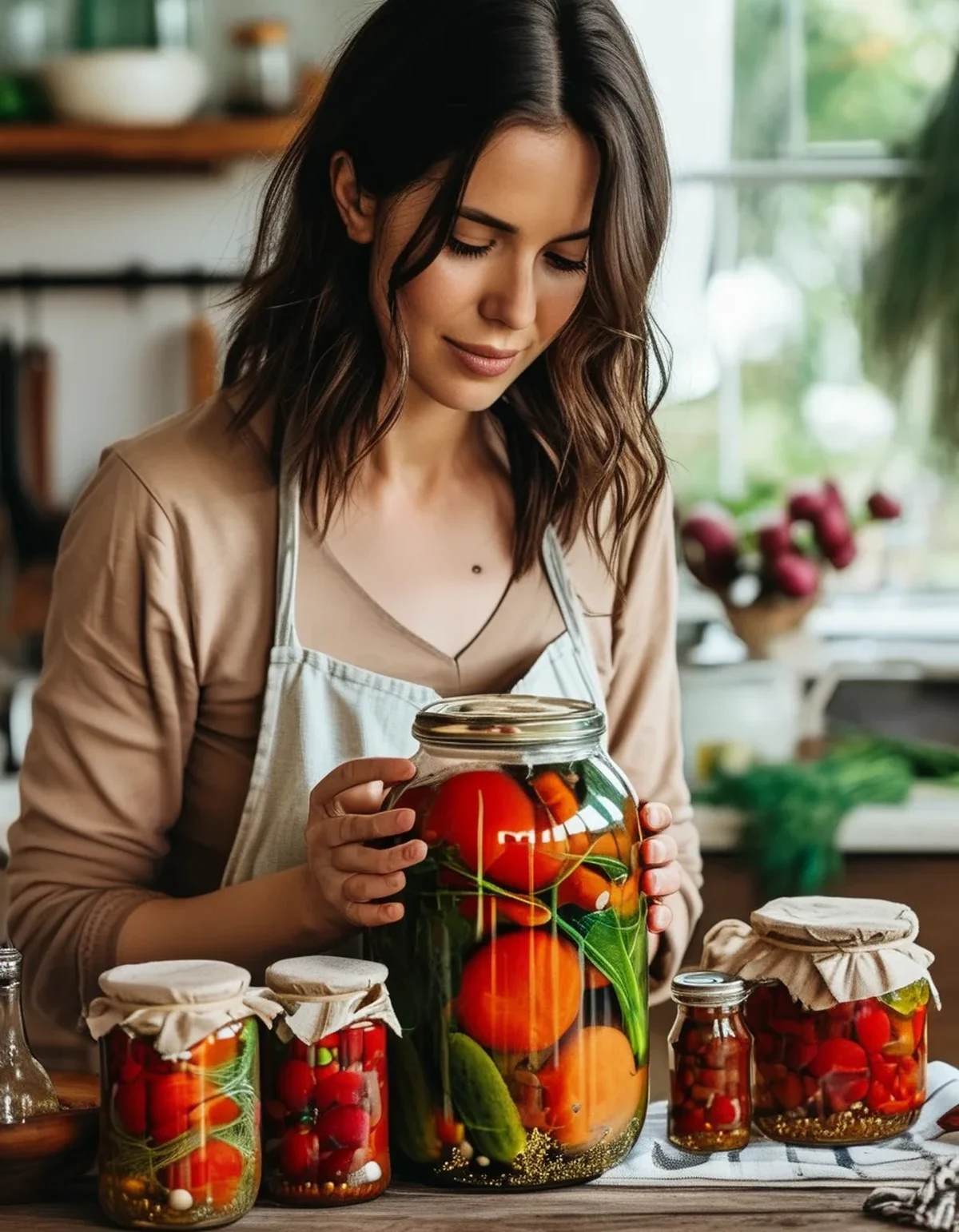
Why does acid level matter more than almost anything else in canning?
Botulism spores, the specific danger in improperly canned food, can’t grow in a sufficiently acidic environment, which is why high-acid foods are safe with the lower heat of a water bath canner. Low-acid foods don’t have that natural protection, so the only way to reliably kill any spores present is the much higher temperature a pressure canner can reach — a water bath simply never gets hot enough to do the job on low-acid food, no matter how long it’s processed. This is why acid level, not just cleanliness or sealing, is the actual safety variable that determines which method a recipe needs.
How do you actually know if a food is high-acid or low-acid?
Most fruits, and anything pickled with enough vinegar, fall into the high-acid category and are water-bath safe, while most vegetables, meats, poultry, seafood, and soups fall into low-acid territory and need a pressure canner regardless of how the recipe looks.
Tomatoes are the trickiest case: they sit right at the borderline, and modern tomato varieties are often less acidic than older ones, which is why tested tomato canning recipes almost always call for adding a specific amount of bottled lemon juice or citric acid to guarantee they’re safely in high-acid territory.
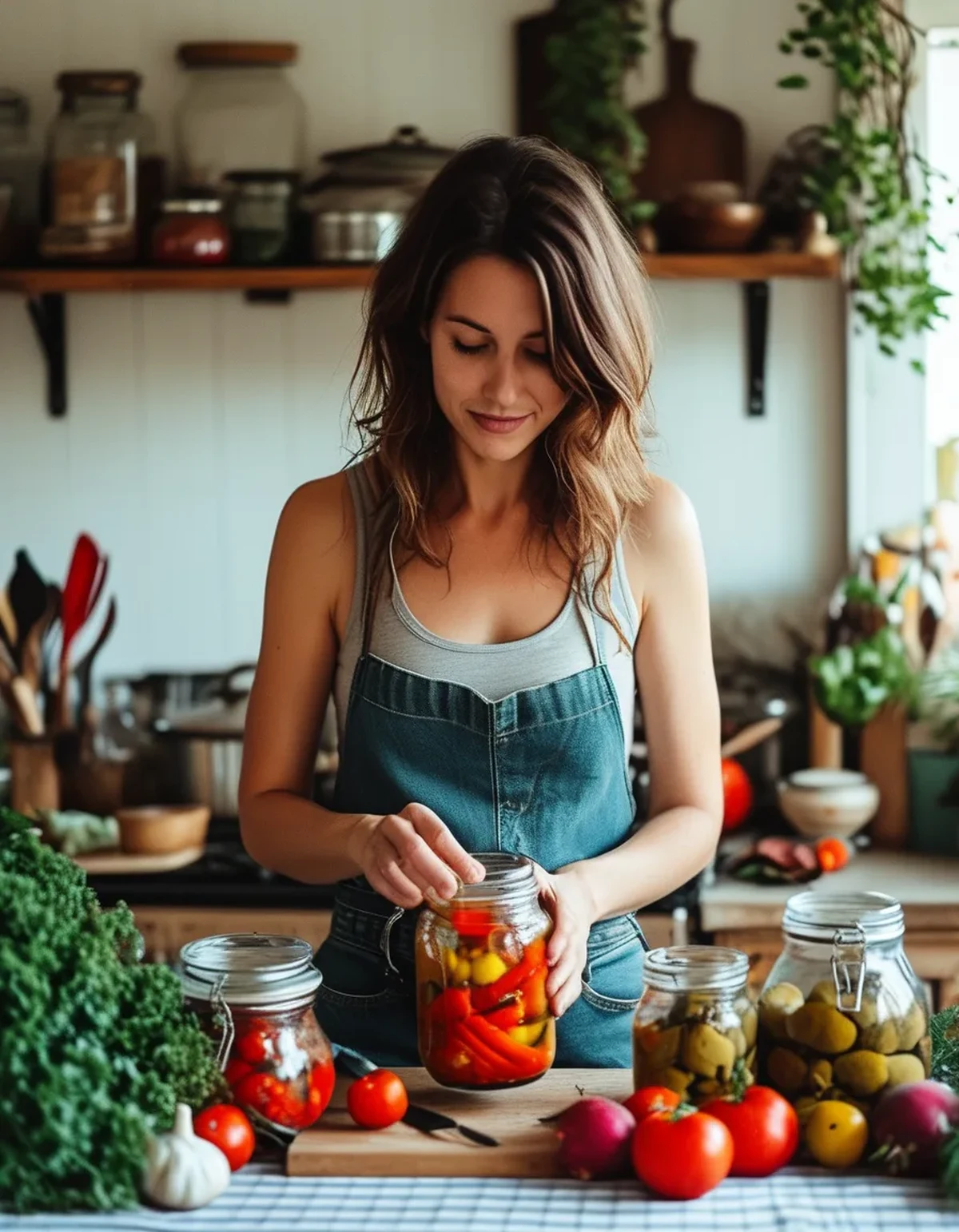
Myth vs Fact: Canning Acid Levels
Myth: if a recipe has vinegar in it anywhere, it’s automatically safe for a water bath. Fact: the amount and ratio of vinegar has to meet a tested threshold — a splash of vinegar in an otherwise low-acid recipe doesn’t make the whole jar safe.
Myth: homegrown tomatoes are naturally acidic enough to skip the added lemon juice. Fact: acidity varies by variety, ripeness, and growing conditions enough that tested recipes always call for added acid regardless of how tomatoes have tasted or performed in the past.
What happens if the acid level and method get mismatched?
Using a water bath on a low-acid food can leave botulism spores alive inside a sealed jar, and a sealed jar that looks completely normal gives no visible warning that anything is wrong. This is the specific and serious risk that makes acid-method matching non-negotiable rather than a minor technicality — there’s no smell, look, or seal check that reliably catches this particular failure after the fact.
FAQ: Canning Acid Level Questions, Answered
Can I just add vinegar to any low-acid recipe to make it water-bath safe?
Only if you’re using a tested recipe’s exact vinegar ratio — improvising acid amounts doesn’t reliably guarantee safety the way a lab-tested recipe does.
Do I need a pressure canner for canning meat or soup?
Yes, meat, poultry, seafood, and any soup or mixed dish containing them requires a pressure canner regardless of other ingredients.
Is it safe to can a mixed recipe with both high- and low-acid ingredients?
A mixed recipe is only as safe as its lowest-acid ingredient, so treat any recipe containing even one low-acid component as requiring a pressure canner. This is general information, not medical advice.
TL;DR:
- Acid level, not cleanliness or sealing, is what determines the required canning method
- High-acid foods (most fruits, properly acidified pickles) are water-bath safe
- Low-acid foods (most vegetables, meats, plain tomatoes) require a pressure canner
- Tomatoes need added lemon juice or citric acid to reliably qualify as high-acid
- A sealed jar gives no visible warning if acid level and method were mismatched
Check the acid category before choosing a canning method — it’s the one step that actually determines whether the process is safe, not just whether it looks finished.
Keep Reading
This article is for general informational purposes only and is not medical advice. Always consult a qualified health professional for guidance specific to you.