Small-Batch Preserving: Why 3 Jars Beat 30 for Almost Everyone
Quick Answer: The all-day, 30-jar canning marathon is a homestead inheritance most kitchens don’t need — small-batch preserving (2-4 jars, 45-90 minutes, one saucepan) fits weeknights, wastes nothing when a recipe disappoints, and most batches can skip the canner entirely by living in the fridge or freezer. Same safety rules apply at every scale; the scale itself was always optional.
Preserving intimidates people because the mental image is a steamy all-day production line: bushels of produce, ranks of jars, a pressure canner hissing like a locomotive. That image keeps fruit rotting in crisper drawers everywhere — because nobody has a free Saturday, and nobody needs 30 jars of one jam anyway.
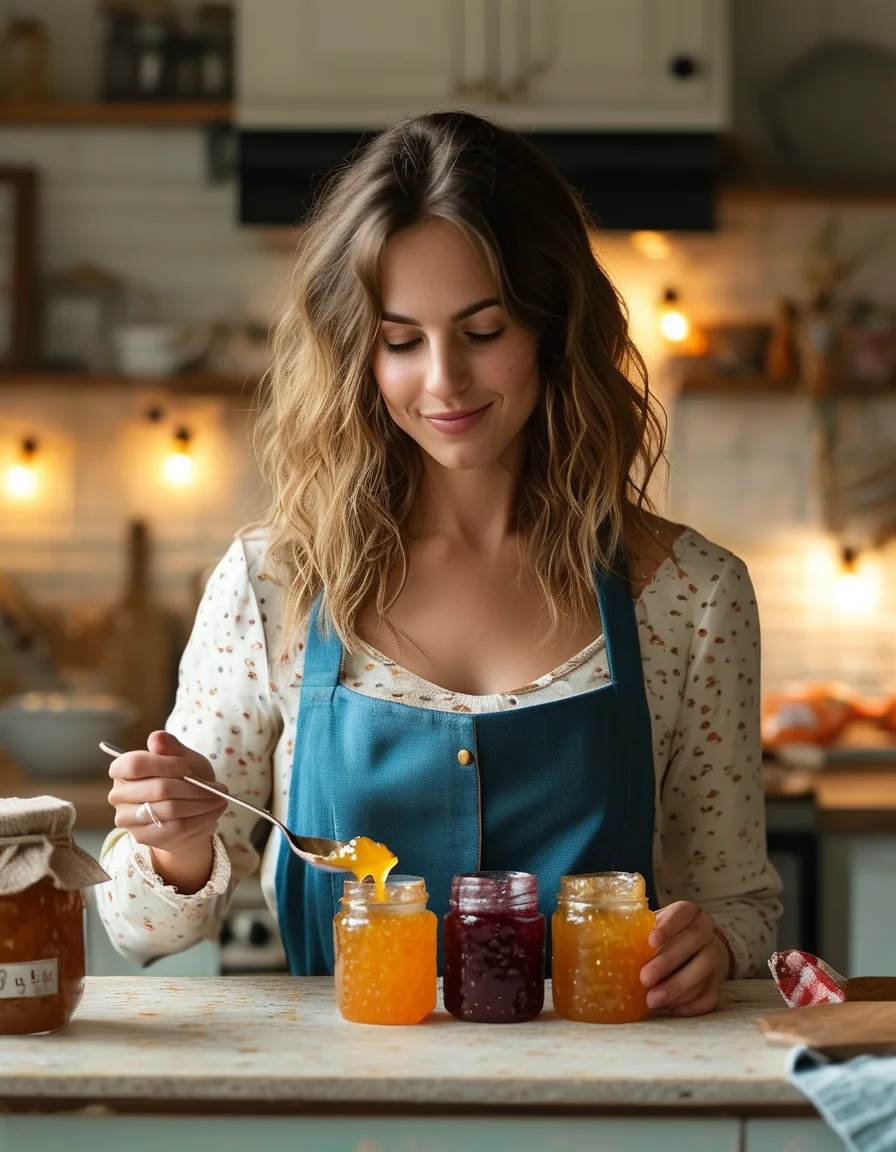
Why is small-batch the better default?
Run the honest math on the marathon model:
- 30 jars of strawberry jam = eating jam weekly for over half a year, or a gifting obligation you invented for yourself.
- One failed recipe at scale = an entire afternoon and a produce haul lost to jam that didn’t set or pickles you don’t actually like.
- The time barrier = preserving happens twice a year, skills stay rusty, and the equipment shames you from the pantry.
Small-batch flips every line: 2-4 jars uses the fruit you actually have (that flat of peaches going soft, not a bushel you drove to buy), fits after dinner, lets you experiment (a chili-honey peach jam is a fun 3-jar gamble and a devastating 30-jar mistake), and keeps skills warm because you preserve monthly instead of biannually.
And variety compounds: twelve small batches a year means a shelf with peach, fig, tomato, pickle, and marmalade — instead of a strawberry monoculture from one heroic Saturday.
What does a weeknight batch actually look like?
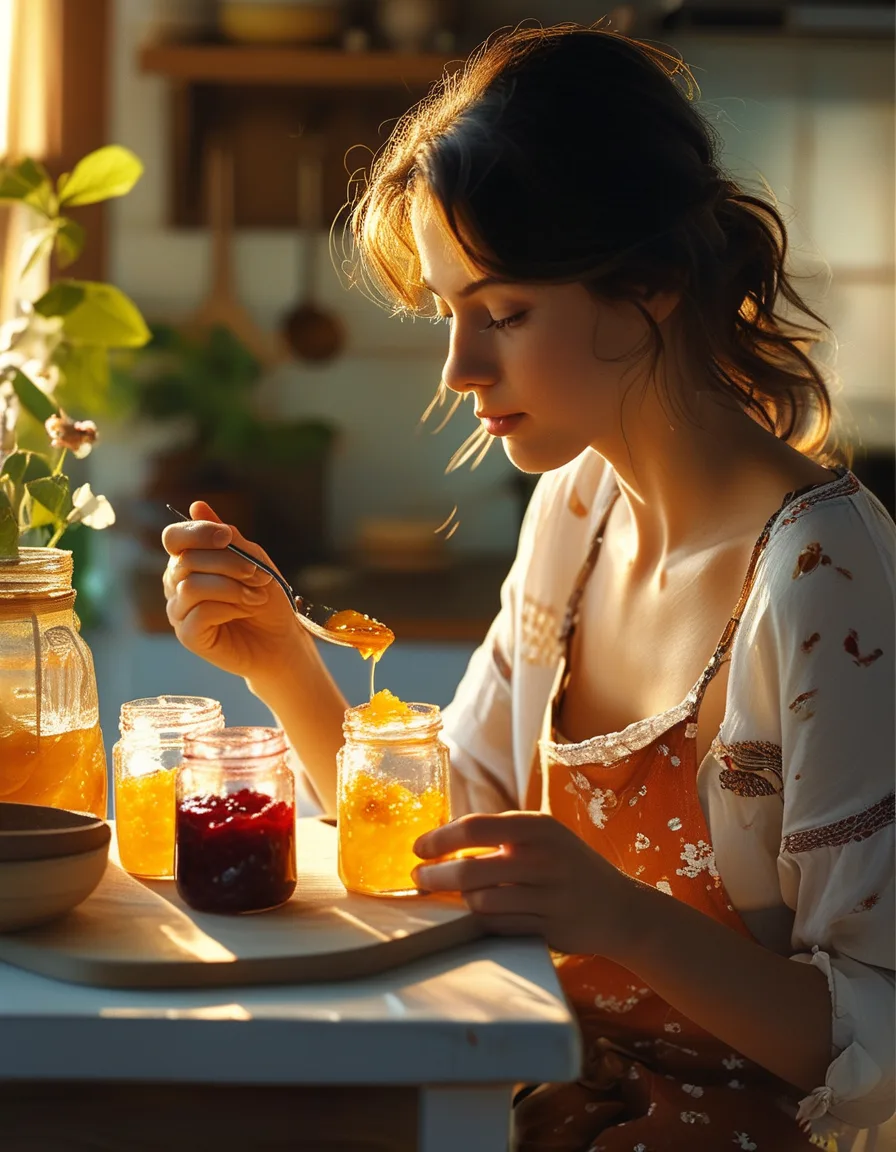
The 3-jar jam template (60-90 minutes, mostly untended):
- ~1kg fruit, chopped, into a wide saucepan with sugar (classic ratios run 40-60% sugar by fruit weight; follow a tested recipe) and lemon juice.
- Boil to set point (the chilled-plate wrinkle test), stirring more as it thickens — small batches reach set faster than cauldrons, another quiet advantage.
- Into clean hot jars, then choose your path:
- Fridge: eat within ~3-4 weeks. Zero canning equipment.
- Freezer: freezer-safe jars with headspace, good for months.
- Water-bath can it (a stockpot with a rack counts at this scale) for shelf-stable — only if you want pantry storage.
The quick-pickle track is even easier: vegetables + hot brine (vinegar, water, salt, aromatics) into 2 jars, into the fridge — ready in days, no processing, endlessly variable.
The safety line that doesn’t scale down: recipes still need to be tested ones (acidity is chemistry, not vibes), water-bath is for high-acid foods only, and low-acid vegetables destined for the shelf still require pressure canning at any batch size — or just live happily in the fridge instead. Small changes the workload, never the rules. This is general information, not medical advice.
5 Mistakes Everyone Makes Starting Small-Batch
1. Buying the full canning kit before the first batch. The fridge and freezer paths need jars and a saucepan, full stop. Buy the canner after the habit exists, if shelf-stability ever actually matters to you.
2. Doubling a jam recipe ‘to be efficient.’ Jam chemistry scales badly — doubled batches take far longer to reach set and often refuse to. Two sequential small batches beat one stubborn big one; this is the rare kitchen task where efficiency lives at small scale.
3. Freelancing acidity. Cutting vinegar in pickles or skipping lemon in low-acid fruits because ‘it’s just a few jars’ — the batch is small; the microbiology is full-sized. Tested recipes, always, and improvisation only in the safe zones (spices, aromatics, sugar level within tested ranges).
4. Preserving peak-price produce. The economics work when you preserve gluts — farmers-market seconds, the neighbor’s fig tree, the sale flat. Preserving $7/lb berries makes $9 jam with extra steps.
5. No labels. Three unlabeled jars become mystery science in six weeks. Masking tape + marker: contents, date, fridge-or-shelf. Twenty seconds against future archaeology.
Mistake #2 is the counterintuitive gem — the marathon model wasn’t just unnecessary; for jam, it was actively worse at the chemistry.
FAQ: Small-Batch Preserving Questions, Answered
Is small-batch water-bath canning safe without special equipment?
Yes for high-acid recipes — a deep stockpot with something to lift jars off the bottom (a rack, a folded towel) is a legitimate water-bath canner at 2-4 jar scale. Full submersion, correct times per your tested recipe, standard headspace and lid rules all still apply.
What’s the best first project?
Refrigerator pickles (foolproof, fast, no set-point drama) or a small berry jam (the wrinkle test teaches the core skill). Both deliver a finished, giftable product on the first try — and early wins are what turn one batch into a habit.
How long do fridge and freezer preserves actually keep?
Working guidelines: fridge jams ~3-4 weeks once opened logic applies from day one; fridge pickles happily run several weeks to a couple of months; frozen jam holds quality for ~6-12 months. Labels (see mistake #5) turn these from guesses into answers.
TL;DR:
- 2-4 jars, one saucepan, 45-90 minutes — preserving was never required to be a Saturday-eating production
- Fridge and freezer paths skip canning equipment entirely; water-bath in a stockpot covers high-acid shelf goals
- Jam chemistry actually prefers small batches; doubling is the classic self-sabotage
- Rules don’t scale down: tested recipes, real acidity, pressure canning (or the fridge) for low-acid shelf ambitions
The bushel was never the entry fee — three jars on a Tuesday is full membership. This is general information, not medical advice.
Keep Reading
This article is for general informational purposes only and is not medical advice. Always consult a qualified health professional for guidance specific to you.