Why Your Jam Never Sets the Same Way Twice (Even With the Same Recipe)
Quick Answer: Jam set depends on the interaction of natural pectin, acid, and sugar, and all three vary batch to batch based on fruit ripeness, the exact size of your pot, and even your altitude — so an identical recipe can still produce a different set because the fruit itself wasn’t identical.
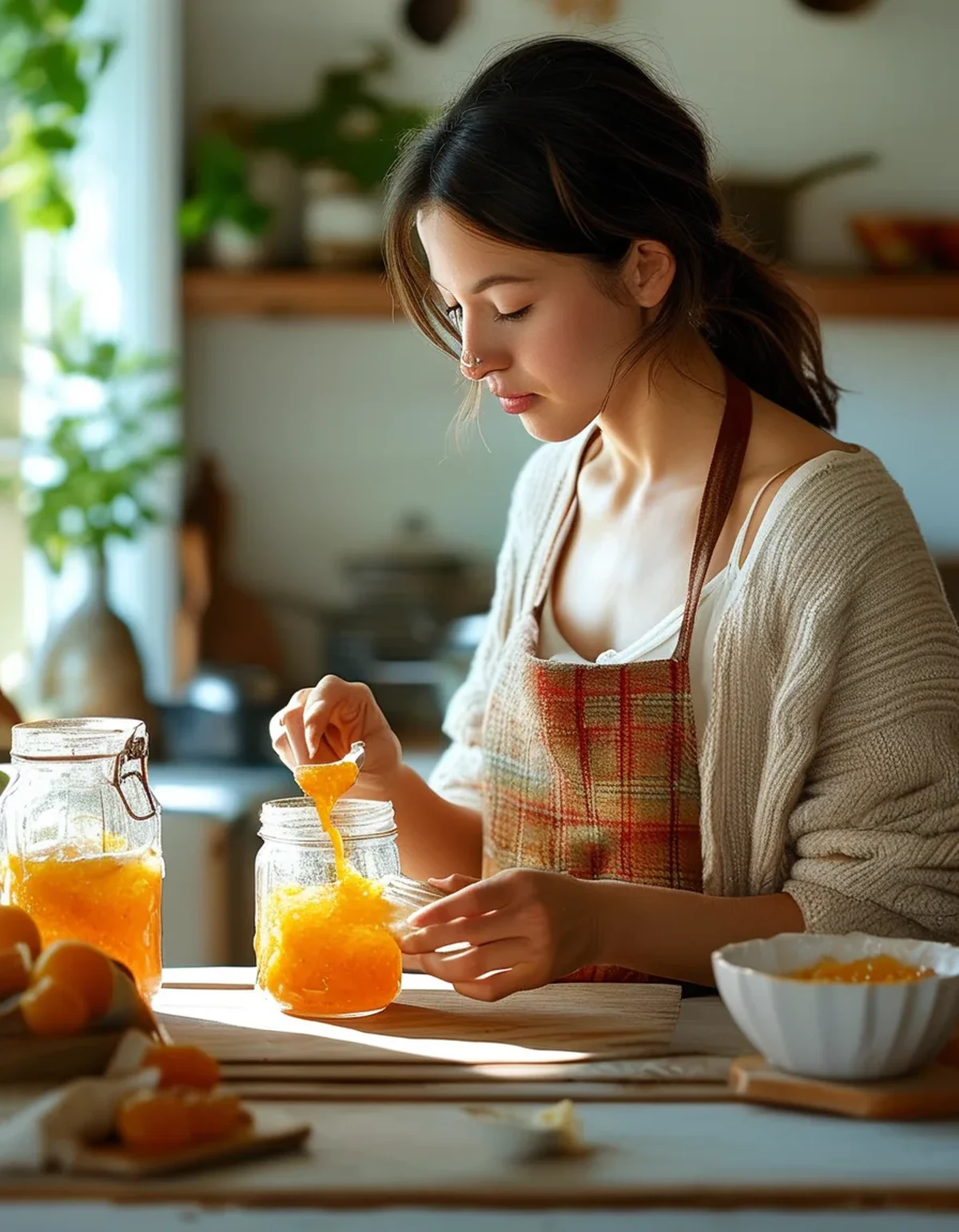
You wrote down every measurement last time it worked perfectly, followed it to the gram this time, and still ended up with jam that’s either runny syrup or a solid brick.
Why does fruit ripeness change the set so much?
Pectin content is highest in slightly underripe fruit and drops as fruit ripens further — so a batch of strawberries picked a week later, even from the same variety and source, can have meaningfully less natural pectin than your last batch, producing a softer set with the identical recipe.
This is why many experienced canners mix in a small portion of underripe fruit even when a recipe doesn’t call for it — it’s a natural pectin boost that store-bought pectin packets are designed to replace.
How much does pot size and shape actually matter?
A wider, shallower pot evaporates liquid faster than a narrow, deep one, meaning the same cook time produces a more concentrated, further-reduced batch in a wide pot than a stockpot. If you switched pots between batches without adjusting cook time, that alone can explain a different set.
The fix isn’t a specific pot — it’s testing for doneness by behavior (the wrinkle test, a thermometer reading around 220°F/104°C at sea level) rather than trusting a fixed cook time across different equipment.
Does altitude really affect jam set?
Yes, meaningfully — water boils at a lower temperature at higher altitude, so a recipe’s target temperature (often 220°F/104°C) needs adjusting upward roughly 2°F for every 1,000 feet above sea level, or your jam will read as “done” by time but actually be underset because it never reached true setting temperature.
Myth vs Fact: Jam-Setting Edition
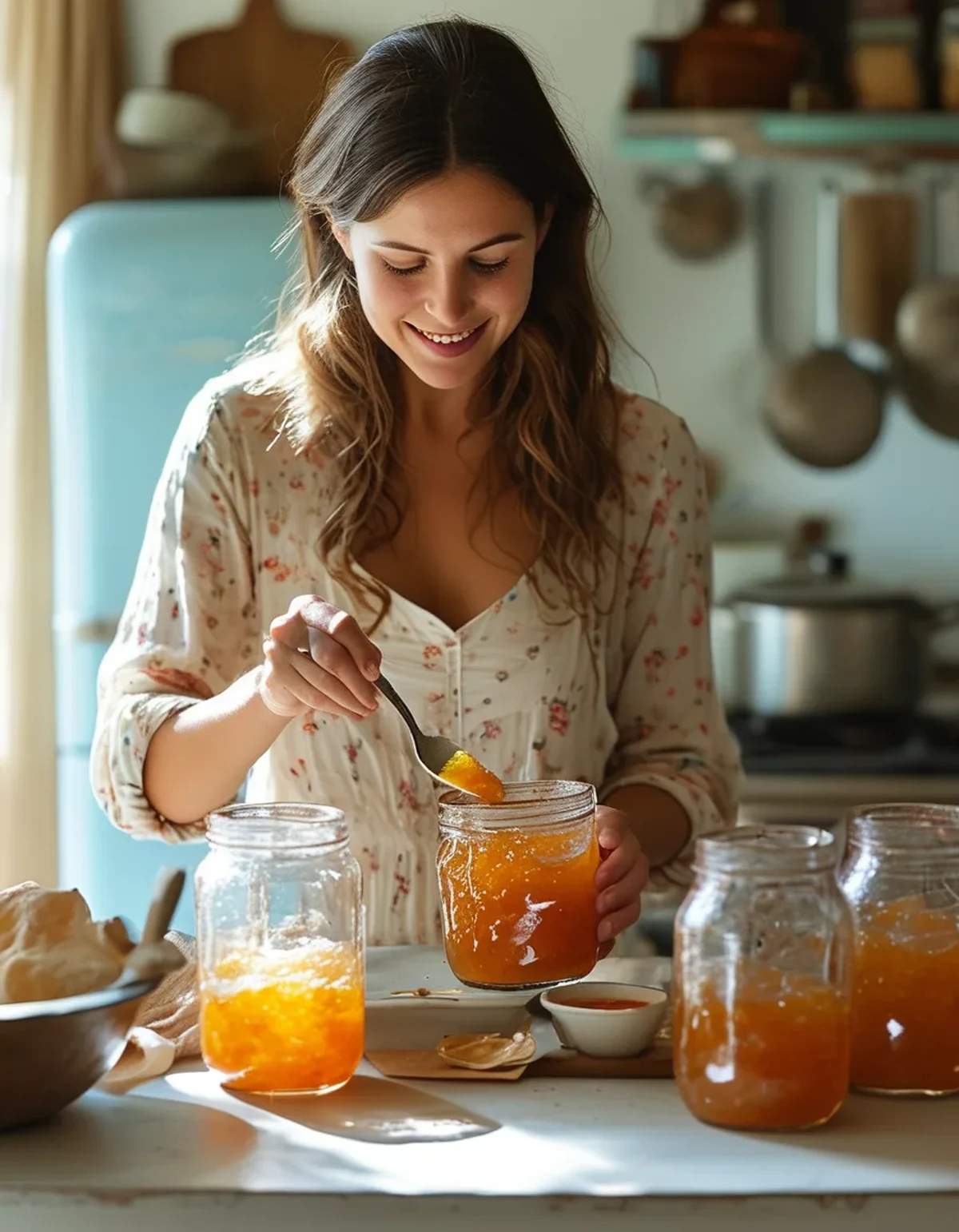
Myth: More sugar always means a firmer set. Fact: sugar helps pectin gel, but past a certain ratio, more sugar doesn’t add more set — it just adds sweetness, and can actually mask an underset batch by adding syrupy thickness that isn’t a true gel.
Myth: If it’s runny when hot, it failed. Fact: jam continues to firm up significantly as it cools — testing set while the jam is still hot is one of the most common reasons people think a batch failed when it just hadn’t finished setting yet.
What’s the most reliable way to test for doneness?
The frozen plate test beats visual or time-based guessing: chill a small plate in the freezer beforehand, drop a spoonful of hot jam on it, wait 60 seconds, then push it with your finger — if it wrinkles and holds a line rather than flowing back together, it’s set. Do this test rather than relying on cook time, since cook time varies with your specific pot, stove, and batch size.
FAQ: Jam Set Consistency Questions, Answered
Can I fix a batch that didn’t set after jarring?
Yes — reopen the jars, return the jam to the pot, add a small amount of extra lemon juice or pectin, and re-cook to setting point, then reprocess in clean jars.
Does the type of sugar matter for set?
Regular granulated sugar is standard for pectin activation; substitutes like honey or reduced sugar generally need added commercial pectin since they don’t support gel formation the same way.
Why did the exact same recipe set differently in two batches made a week apart?
Most likely fruit ripeness — pectin and acid levels shift naturally as fruit ages, even within the same variety and source.
TL;DR:
- Fruit ripeness changes natural pectin levels batch to batch, even with an identical recipe
- Pot shape affects evaporation rate, which changes effective cook time
- Altitude shifts the true setting temperature — adjust the target upward at elevation
- Always test doneness with the cold-plate wrinkle test rather than trusting time alone
Keep Reading
This article is for general informational purposes only and is not medical advice. Always consult a qualified health professional for guidance specific to you.